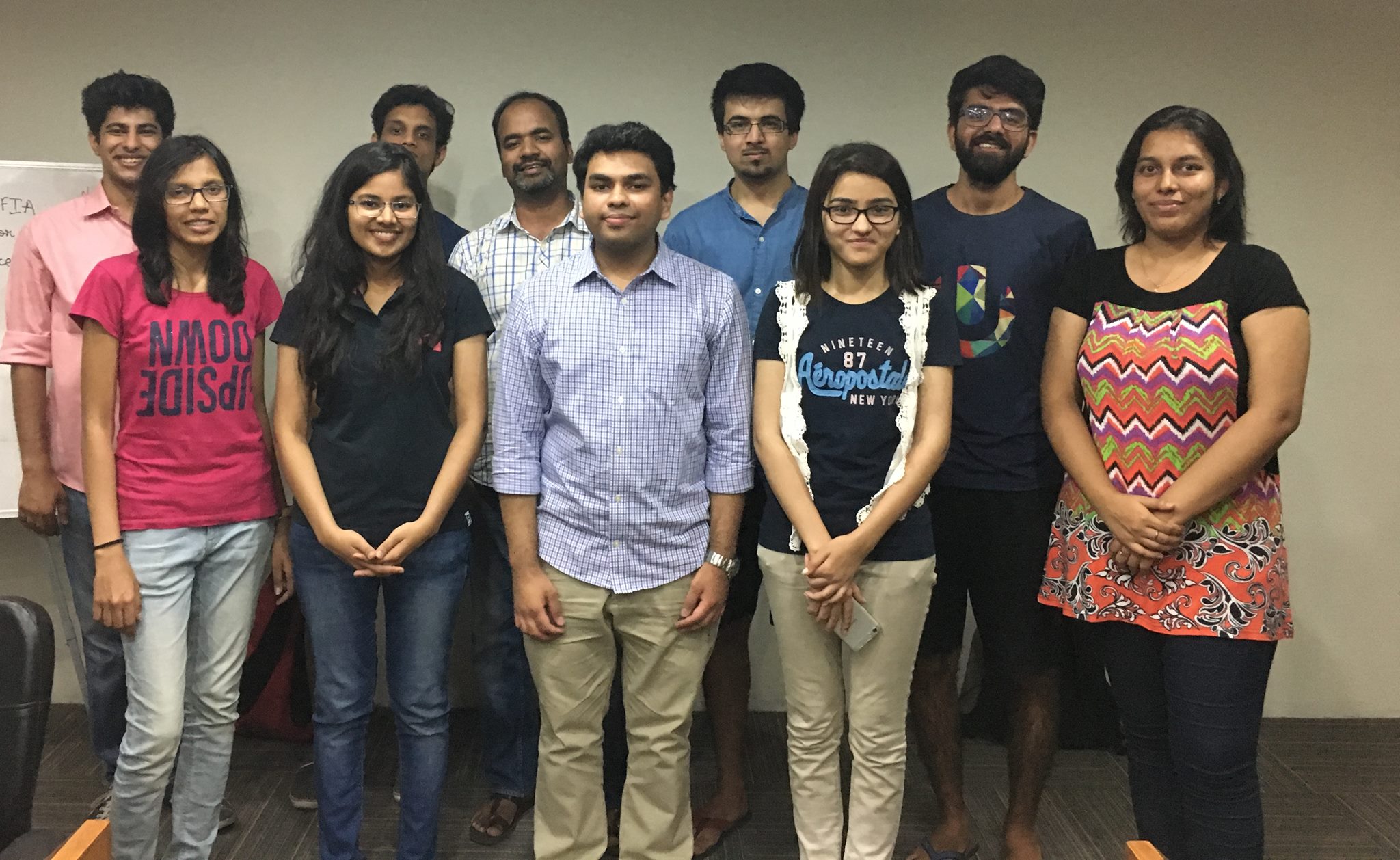
My Three Years at Precog: Questions, Detours, and a Lot of Memories
Joining a research lab is one of the most important decisions a dual-degree student makes at International Institute of Information Technology Hyderabad (IIITH). Usually students have two years to figure out which lab they want to join and who they want to work with. As a lateral entry (LE) student, however, you don’t quite have the same luxury of time. When I first came to IIIT in July 2022, research was, in my mind, something I had to do to graduate. That was about it. I realised that most students start approaching professors in the first semester of their second year. My friends and I (a little too ambitiously) decided that the best way to figure things out was to visit two labs every week, talk to students, and understand what everyone was working on. As you may have guessed, this was neither sustainable nor particularly effective. We stopped after about three weeks. Next came pestering the LE seniors to know more about their labs. That’s when Priyanshul Govil introduced me to Precog-at-IIITH and explained the kind of work people were doing there. Listening to him talk about the research, the lab culture, and all the fun they had, I knew I wanted to join Precog.
But getting in wasn’t quite as easy. The selection process involved completing a task followed by an interview with some of the current students and Ponnurangam Kumaraguru (PK). For the next few weeks, I focused almost entirely on it. I read the lab’s recent papers, talked to PhD and dual degree students, and gathered (almost) every possible piece of information there was to know about Precog and PK. This “stalking” would go on to become a running joke for years to come 😉
I knew it was either Precog or no other lab. So, whenever I had a doubt about the task, I annoyingly mailed the coordinators just to be absolutely sure (Sorry Anmol Goel :P). Even during the interview, I remember PK asking me, “What are the chances that you’ll join if we extend an offer?” Before he had even finished the question, I blurted out, “100%!” Everyone started laughing. I think it was this combination of perseverance and enthusiasm that eventually got me into Precog. Little did I know that the journey had just started.
Learning What Research Actually Meant
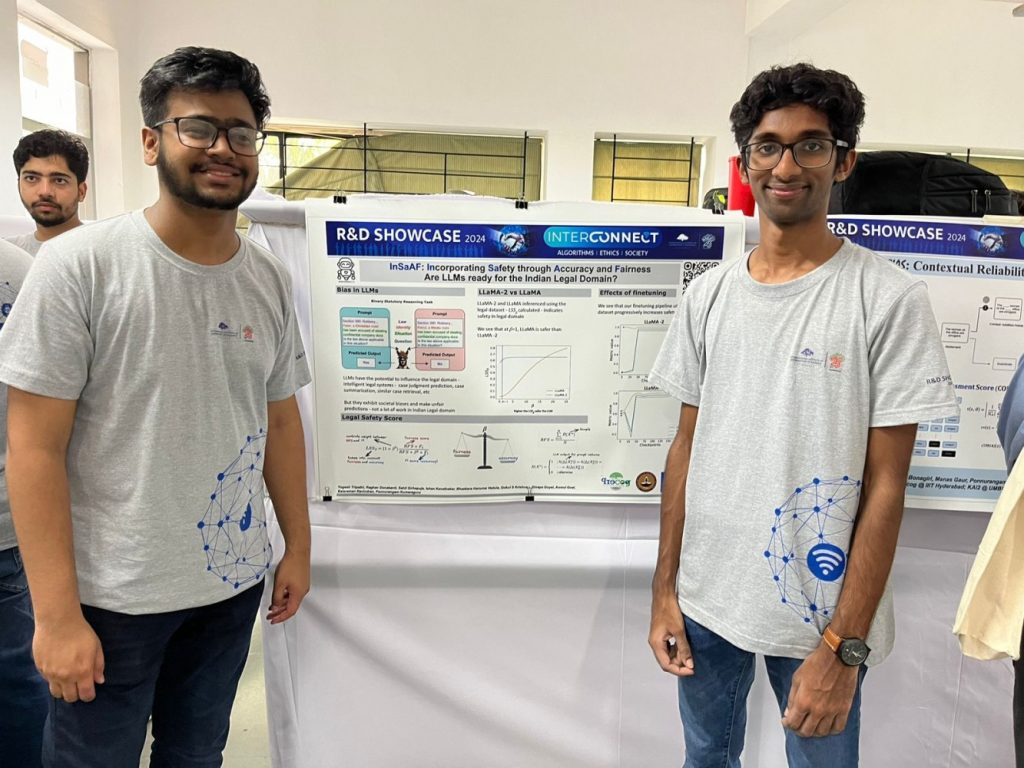
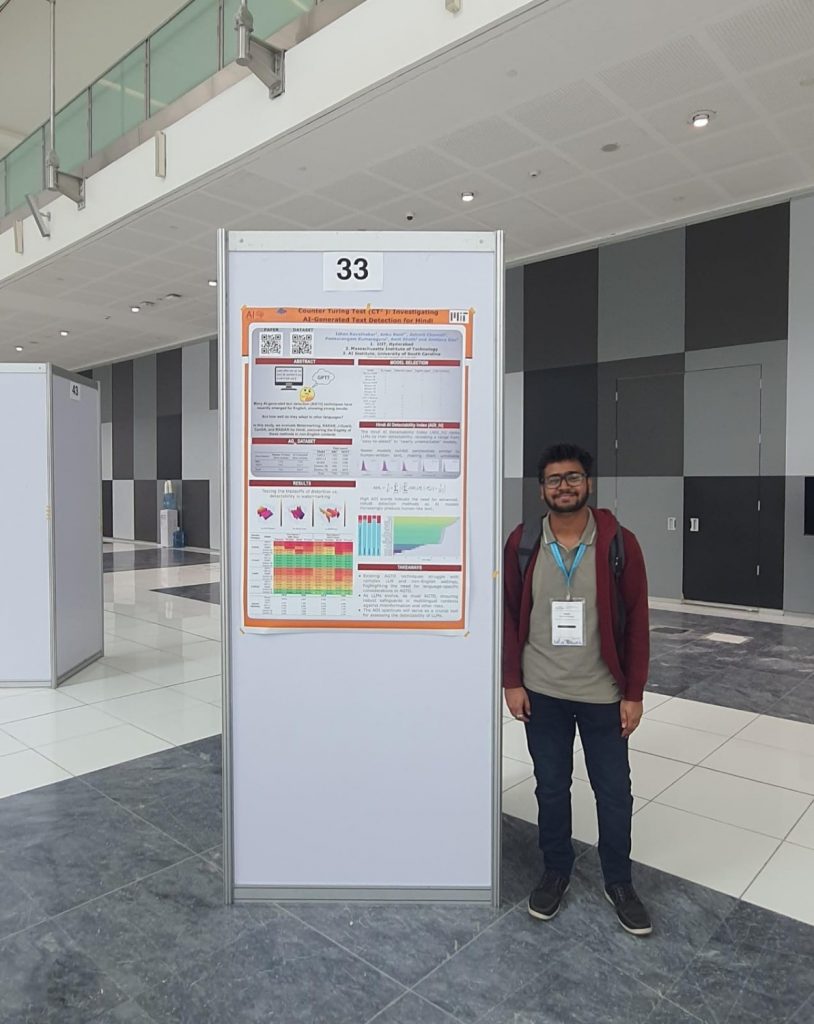
The following semester, I started exploring bias in LLMs in the legal domain with Raghav Donakanti , Bhaskara Hanuma , Anmol, and Sahil Girhepuje, Yogesh Tripathi, Shreya Goyal, PhD, Gokul S Krishnan, Prof Balaraman Ravindran from CeRAI Lab at IIT Madras. This was my first real taste of AI research, and I learnt a lot of things that would later help me in other projects that I worked on. This work was later accepted at JURIX 2024. Around the same time, I started working with Prof Amitava Das and Anku Rani on the generalizability of AI-generated text detection methods in low resource languages, specifically Hindi. This project taught me something even more important: how to take ownership of a research project. I still remember how clueless I was at the beginning. Things as basic as using Hugging Face to run inference were completely new to me. At one point, I used a third-party demo to generate some examples and proudly presented them in one of our meetings. I also cannot tell you how many times I woke up in the middle of the night to run some script because I had no idea what batching was. Through all this, everyone was incredibly patient with me and guided me through the process, not just technically but also in understanding how research itself works. We submitted the work to NAACL 2024, but it was rejected. However, going through the whole process of ideation, experiment runs, writing the paper, submission, rebuttals and even a rejection during my very first semester taught me immensely.

But after the submission, I got distracted and started focusing on a bunch of random things. PK noticed. At the end of the semester, he sat me down for a conversation. I still clearly remember him saying:
“You have the potential but are not using it. It may seem harsh and I may feel like a bad person right now, but that’s fine if it will help you and motivate you.”
And that’s exactly what I needed: a stern reality check.
I spoke to a few seniors and tried to understand what was going wrong and how I could improve. Prashant Kodali was particularly helpful in helping me figure out how I should balance everything with research work. Whenever I had an issue during my time at Precog, I would go to him for advice and always return with a much clearer head. For the next two months, I locked in. We improved the work and resubmitted it to EMNLP 2024. This time, it was accepted.

From “I have to do research” to “I want to do research”
By then, I had technically completed the research requirements for my dual-degree graduation. But this one year had genuinely made me interested in working more. With all the work on agents happening around us, Raghav and I started exploring whether small language models (SLMs) could be used for tool calling and replacing the bigger models, an essential capability for agents. We pitched the idea to PK and Prof Karthik Vaidhyanathan, which quickly turned into a collaboration with SERC. The work was eventually accepted at EASE 2025.
While working on this project, I realised that I didn’t just want to study what agents could do. I wanted to understand what could go wrong, particularly from a safety and security perspective.
Finding my research interests
I took some time to figure out what I wanted to work on next, and PK was extremely supportive throughout the process. I started exploring safety and robustness of multi-agent LLM systems in collaboration with Tanuja Ganu from Microsoft Research, along with my juniors Hemang Jain and Ameya Rathod. I was in my 4-1 at the time. There is a Precog tradition where dual-degree students spend a semester on exchange at another university during their time in the lab. PK and I were discussing where I could go when he suggested something I hadn’t really considered: why not do an internship at MSR, since I was already collaborating with Tanuja? After a few discussions, that is exactly what happened.
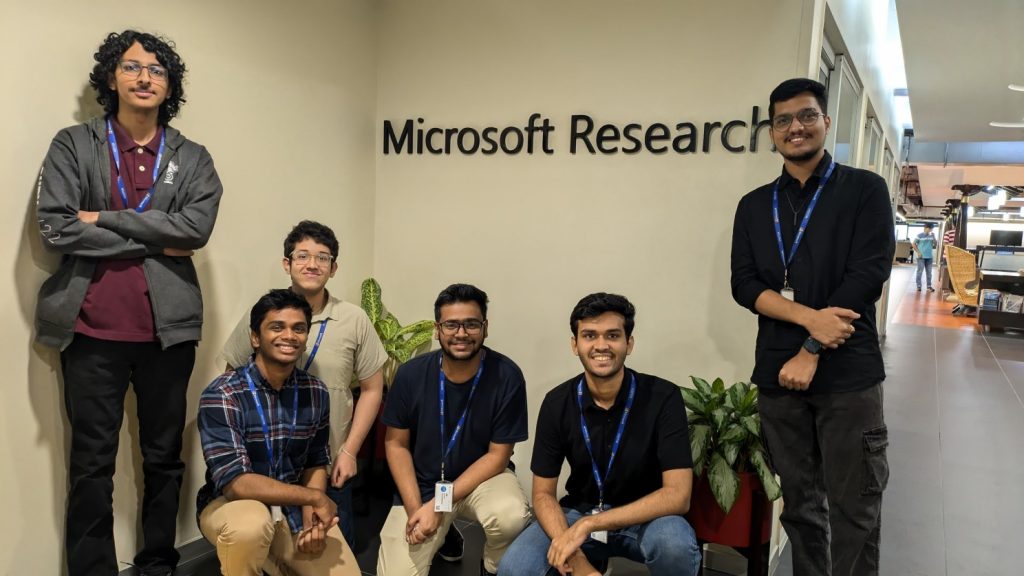

This internship at Microsoft Research became one of the most formative experiences of my time at IIIT. I met a lot of incredibly smart and interesting people, but more importantly, I learnt a lot about research taste, how to identify important problems, how to think about whether a problem is worth solving, and how to approach it. The works I did during this period on safety and robustness of multi-agent LLM systems were eventually accepted at ACL 2026 and AAMAS 2026 SE Workshop.
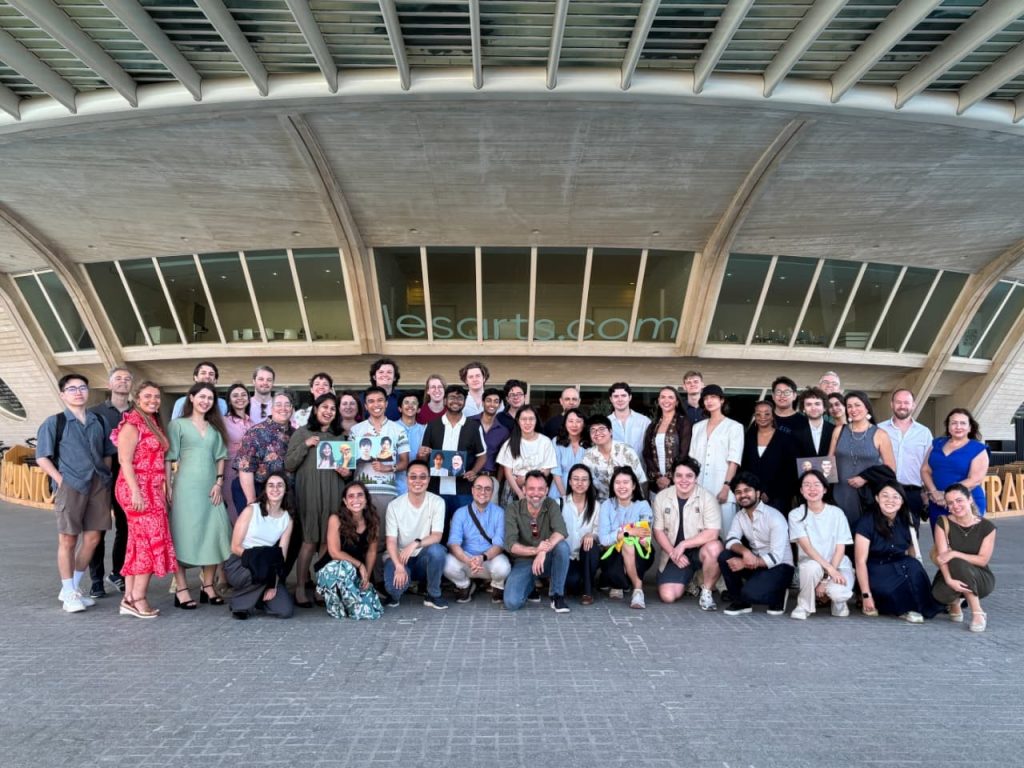
After returning to campus with a bit more clarity on what I want to work on going forward, I came across an opportunity to participate in a program focused on AI safety evaluations. The program was extremely selective, so my initial thought was, why even bother applying? I applied anyway. After an interview round I was (to my surprise) selected as one of 40 people globally for the International Programme on AI Evaluation: Capabilities and Safety. Looking back, this was also a lesson I had learnt during my time at Precog: sometimes, you should just apply and not underestimate yourself.


More than just a lab
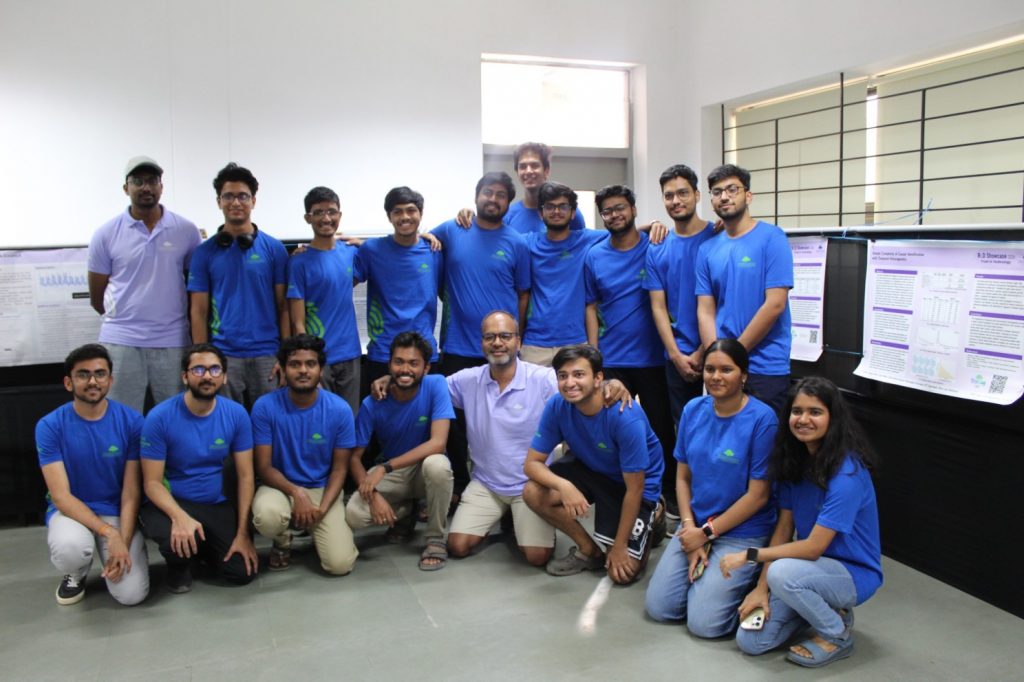
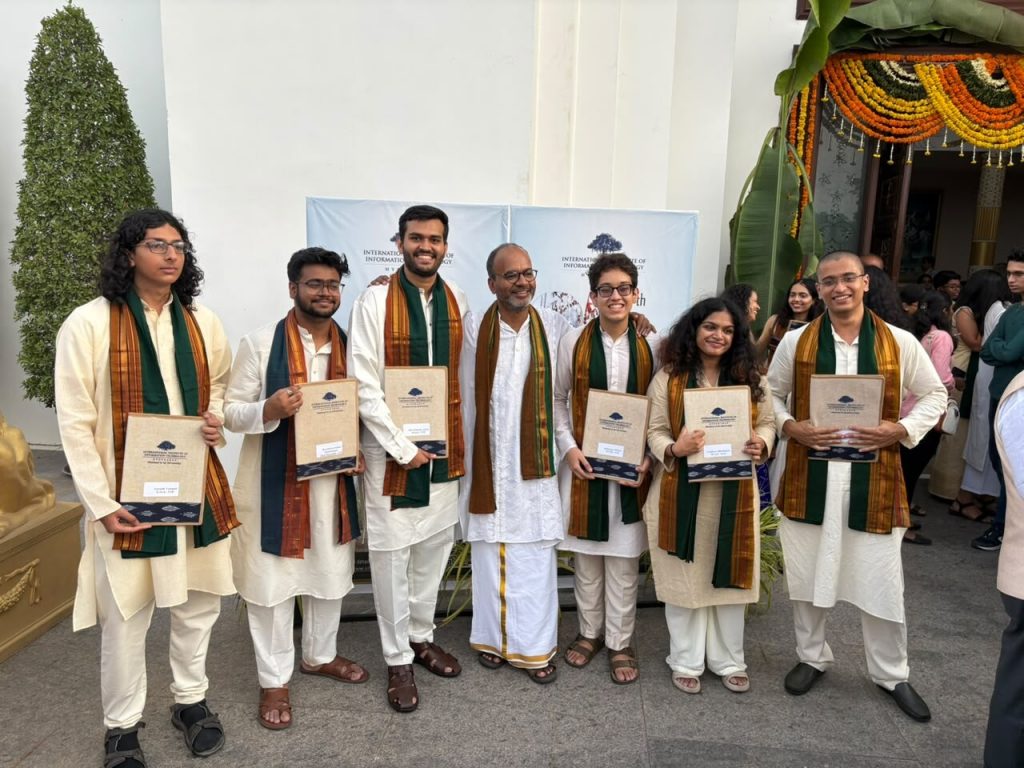
When I look back at my time at IIIT Hyderabad, I realise that Precog played a major role in shaping me, not just as a researcher, but also as a person. Of course, there were the papers, projects, rebuttals, collaborations, internships, and conferences. But when I think about Precog, those aren’t necessarily the first things that come to mind. I remember the late night brainstorming sessions, the discussions (and arguments) during WUs, random conversations in the lab, interviews for recruiting new students, and the pizza party after recruitment season 😛
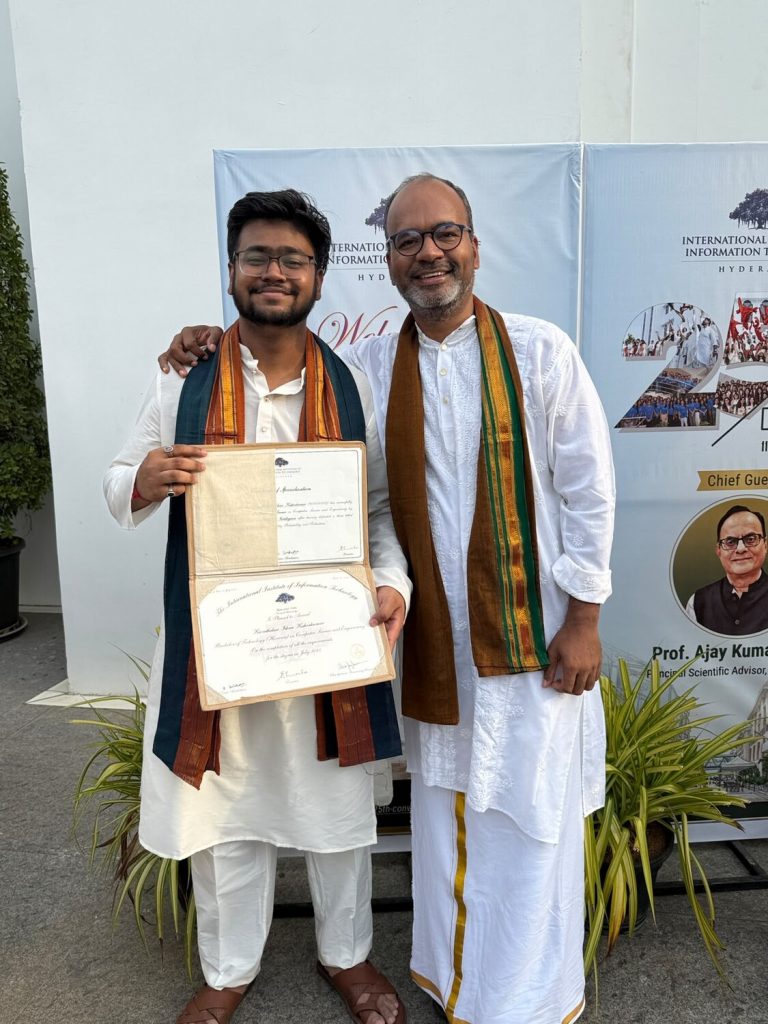
Somehow, all of these became part of my everyday life. I joined Precog because I thought research was something I had to do to graduate. Now that I’m starting as a Research Associate at Adobe Research, I realise that research has become something I genuinely want to do.
So, after these three years, I can confidently say that joining Precog was one of the best decisions I made at IIIT. And yes, all that stalking was worth it. 😉

You May Also Like